
Some nights, I’d sit outside just to relax, but the bugs had other plans. Mosquitoes, ants, even flies, they kept showing up like they owned the place.
I didn’t want to spray chemicals where I eat or where my dog plays. So I started looking for something safer.
That’s how I found a natural pest repellent that actually worked without making the air smell like a science lab.
Now, you’re here for the same reason. You want something simple. Something that works. You’ll find it here.
I’m going to walk you through options you can try at home, things to buy that won’t harm your space, and tricks that keep pests from coming back.
Let’s figure out what really keeps them out, naturally.
Why DIY Natural Options Are So Popular
DIY pest control is popular for a few clear reasons. It’s cheaper, lets you control what goes into your mix, and helps avoid strong chemical smells.
Many people also like choosing scents they prefer, like lemon or lavender, instead of the usual chemical smell from store sprays.
In this case, “natural” means ingredients derived from plants (such as essential oils), minerals (such as baking soda or diatomaceous earth), or simple tools and methods, like traps, barriers, or screens.
These options avoid synthetic chemicals and are safer for kids and pets.
It’s important to know that DIY only works well if it’s part of a bigger plan. Keeping your space clean and sealed makes any natural method work better and last longer.
What You Need Before You Mix Anything
Before you start mixing anything, ask yourself three quick questions:
-
What pest are you dealing with?
-
Where is the problem: inside your home, outside, or on your garden plants?
-
Do you want to repel, kill, or prevent them from coming back?
Your answers help you pick the right ingredients and method. For example, ants in the kitchen need something different than bugs on your tomato plants.
Next, gather a few basic tools:
- A clean spray bottle
- Measuring spoons and cups
- A strainer (for herbs or powders)
- Gloves
- Label tape and a marker
Safety matters. Always label your mix so no one uses it by mistake. Test your spray on a small area first to make sure it doesn’t stain or damage surfaces.
And keep everything out of reach of kids and pets. Natural doesn’t always mean harmless; use with care.
Natural Pest Repellent Methods
Not all pest control does the same thing. Each method has a different job; knowing which one you need helps you choose what actually works.
Repel means keeping pests away without harming them. These are usually scent-based or surface treatments. Peppermint oil, citronella, and vinegar are common here. You might spray a door frame with peppermint to stop ants, or wipe down counters with vinegar to keep flies away. It’s like a “do not enter” sign for bugs.
Kill or control is about stopping active infestations. This includes things like neem oil or insecticidal soap, mainly for garden pests like aphids or mites. These sprays break down soft-bodied bugs without hurting your plants.
Prevent means stopping pests from showing up at all. This includes sealing cracks, fixing leaks, and sprinkling barriers like diatomaceous earth around baseboards.
If a repellent doesn’t kill bugs, that doesn’t mean it failed; it just wasn’t meant to. Use the right method for the job.
Common Ingredients and What Each One Does Best
Before you start mixing anything, it helps to know what each ingredient actually does. Not all natural items work the same way.
Some are great for repelling bugs, others help control active pests, and a few are better for long-term prevention. Here’s a breakdown of the most common ingredients and what they’re best used for.
Essential Oils
Essential oils are popular for keeping bugs away, especially indoors. Peppermint works well near windows and doors to keep ants and spiders out.
Lavender can calm people while repelling moths and flies.
Citronella and eucalyptus are better for outdoor use, like patios or garden edges, since they help with mosquitoes and gnats.
But oils and water don’t mix well on their own. You need a little soap or a safe mixing agent so the oil spreads evenly in your spray. Without it, the oil floats and doesn’t work properly.
One thing to remember, essential oil sprays don’t last forever. The scent fades fast, especially outdoors. You’ll need to spray again often to keep them working.
Garlic and Hot Pepper
Garlic and pepper sprays are good for gardens where bugs are chewing up the leaves. These sprays don’t kill bugs but make the plant taste bad.
They work best against pests like aphids, beetles, and caterpillars.
If you make one of these sprays, always test it on a small leaf first. Some plants are sensitive and could get spots or burns. Also, don’t spray during the hottest part of the day.
Early morning or evening is best.
Neem Oil
Neem oil is a plant-based oil that helps control soft-bodied bugs such as aphids, whiteflies, and spider mites. It works by messing with how bugs grow and eat. It’s best used when bugs are already active, but not on very young or stressed plants.
For neem to work well, cover both the tops and undersides of leaves. Spray early morning or late evening to avoid sun damage.
Don’t use it right before rain, it needs time to stay on the plant.
Soap Solutions
Insecticidal soap sounds fancy, but it’s just mild soap mixed with water.
It works by breaking down the outer layer of small bugs, like aphids and mites, causing them to dry out.
Don’t use dish soap unless it’s very mild. Strong soaps can burn plants.
Use just a few drops per cup of water, and always test on a small area first. If the plant looks fine after a day, it’s safe to use more.
Vinegar
Vinegar is great for cleaning and repelling bugs on home surfaces. It’s best used on counters, floors, and trash can lids to keep ants and flies away.
You can mix it with water and spray it around the kitchen or bathroom.
But don’t use vinegar on stone surfaces like granite or marble, it can damage them over time. Stick to sealed counters, tile, and glass.
Diatomaceous Earth
Diatomaceous earth is a powder that feels soft to us but sharp to bugs. It damages their bodies and dries them out. It works well on ants, roaches, and earwigs.
It only works when dry. If it gets wet, it stops working until it dries again. Sprinkle a thin layer along baseboards, behind appliances, or near pet food bowls.
Wear a mask when applying; it’s not harmful, but you don’t want to breathe it in.
Use it where crawling bugs travel, and leave it undisturbed as long as you can. Reapply after cleaning or when it gets wet.
Easy DIY Bug Repellent Recipes You Can Make at Home
You don’t need fancy tools or hard-to-find ingredients to keep bugs away. These DIY recipes are easy to make, safe to use, and give you real control over what goes in and where it goes.
Here’s how to mix them, where to use them, and how often to reapply:
1. Peppermint Spray for Ants and Spiders (Indoor)
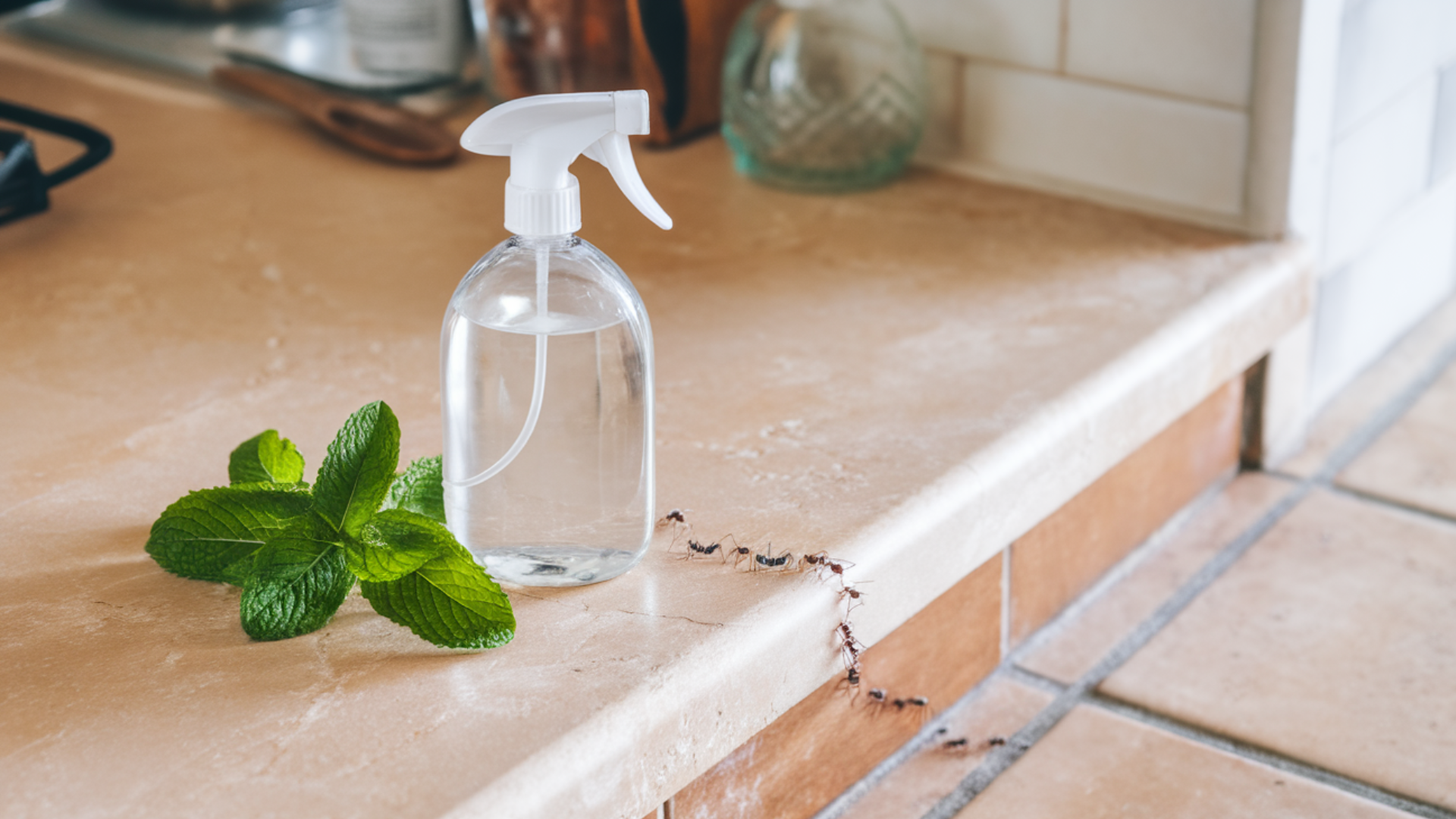
Best for: Baseboards, corners, door frames
Ingredients:
- 10 drops peppermint oil
- 1 cup water
- 1 teaspoon mild soap
Steps:
- Add water and soap to spray bottle.
- Add peppermint oil and shake.
Apply: Spray along ant trails and corners.
Reapply: Every 2–3 days.
Shelf life: 1 week.
Safety: Keep away from small kids and pets.
2. Vinegar Spray for Countertops and Kitchen Pests
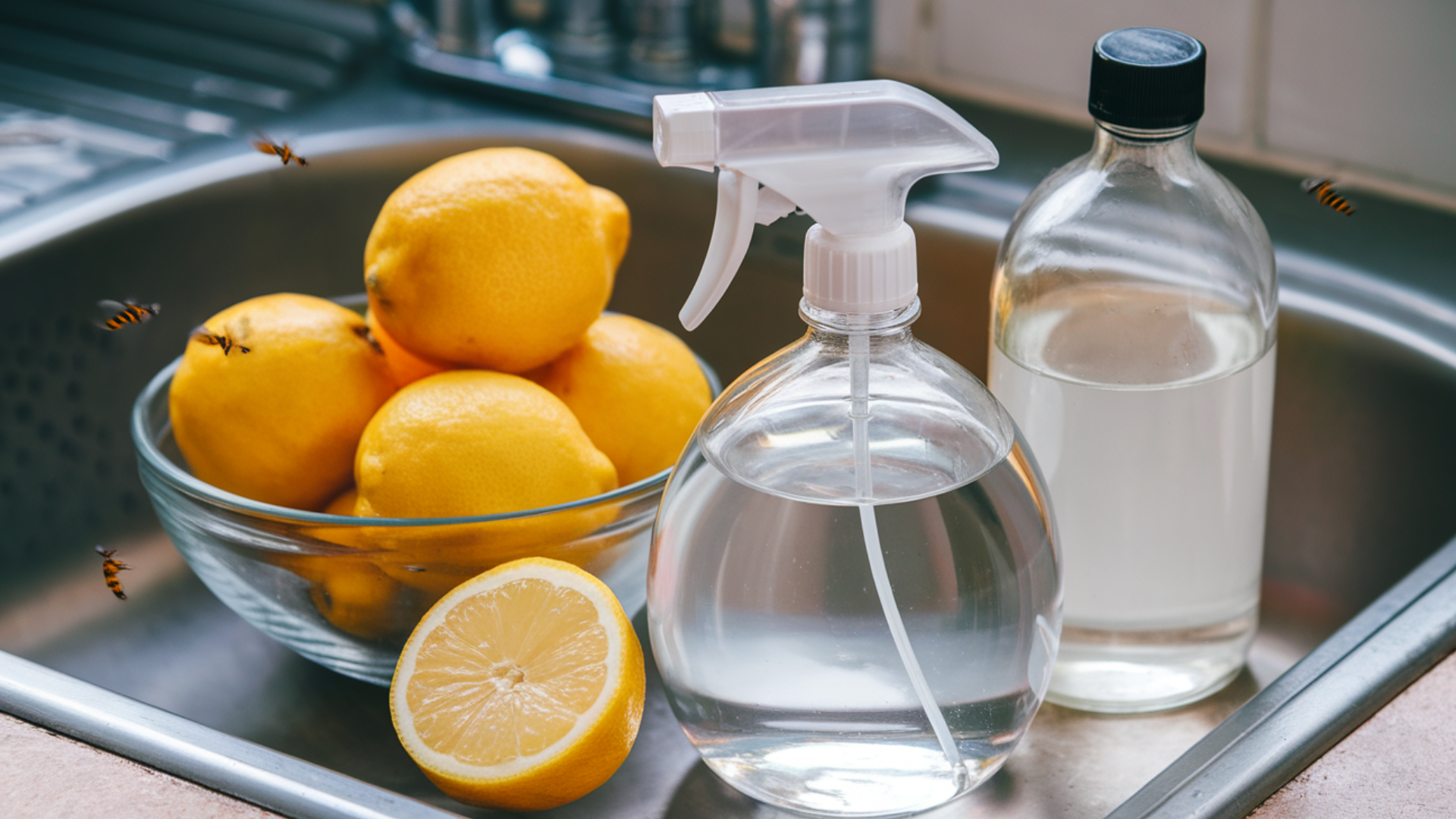
Best for: Ants and fruit flies
Ingredients:
- 1/2 cup white vinegar
- 1/2 cup water
- Optional: 5 drops lemon oil
Steps:
-
Mix in spray bottle and shake well.
Apply: Wipe surfaces, spray near sinks and bins.
Reapply: Daily or after cooking.
Shelf life: 2 weeks.
Safety: Don’t use on stone surfaces.
3. Lavender Spray for Closets and Drawers
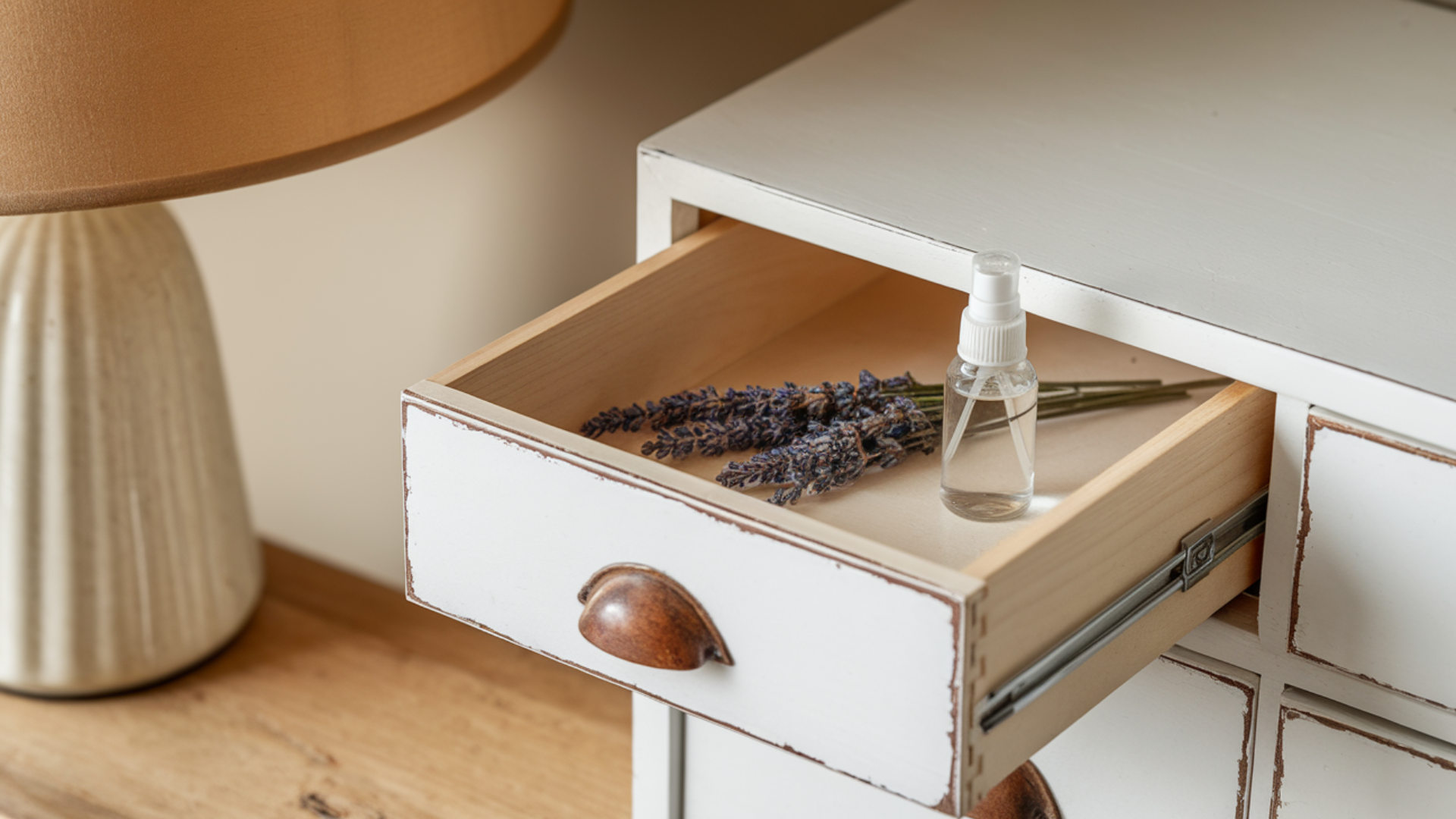
Best for: Moths and musty smells
Ingredients:
- 10 drops lavender oil
- 1 cup water
- 1 teaspoon vodka or rubbing alcohol
Steps:
- Combine in a bottle. Shake well.
Apply: Lightly mist into drawers and closet corners.
Reapply: Once a week.
Shelf life: 2 weeks.
Safety: Don’t soak fabrics. Test first.
4. Lemon Eucalyptus Spray for Outdoor Seating Areas
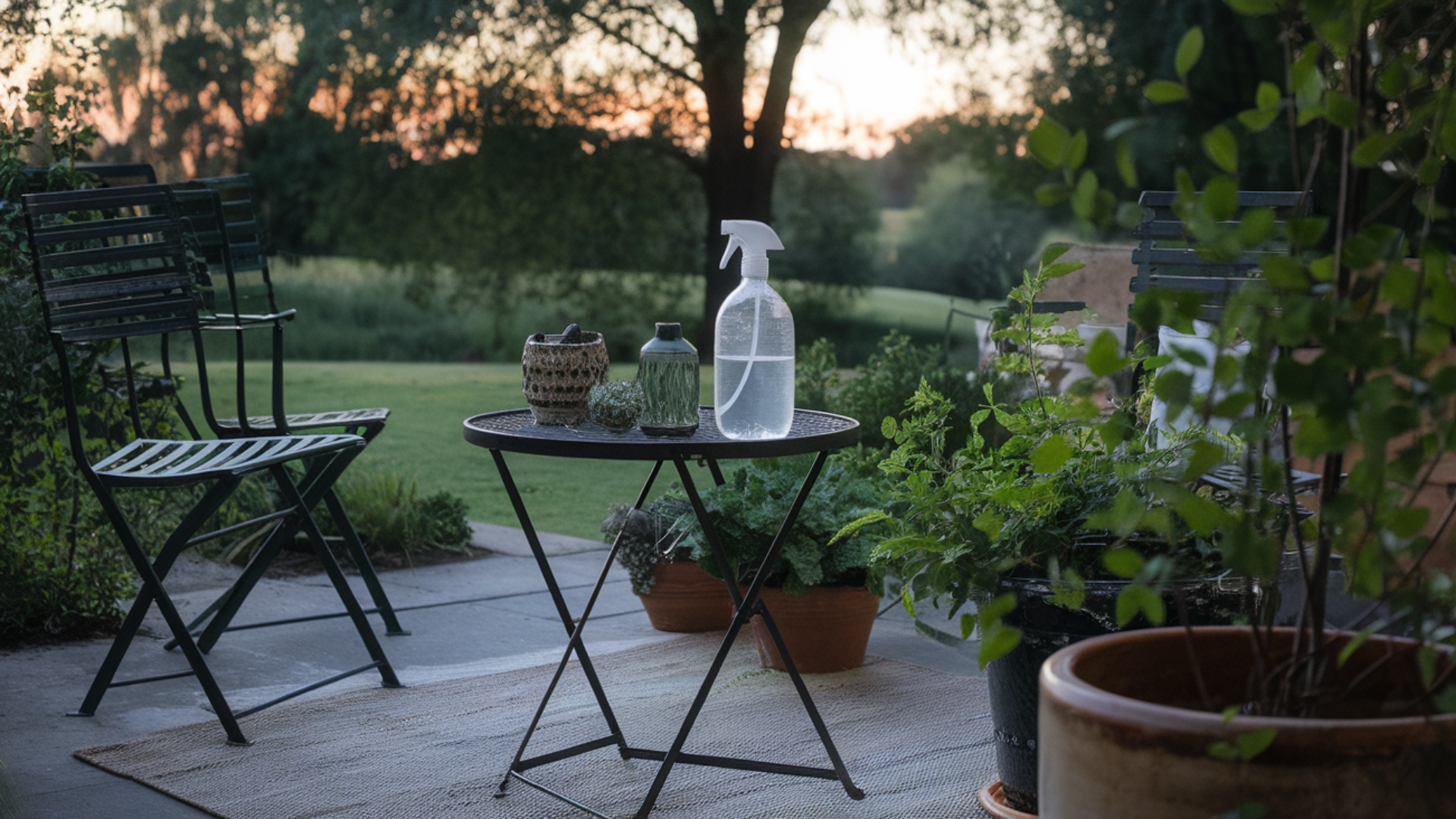
Best for: Mosquitoes and biting bugs
Ingredients:
- 10 drops lemon eucalyptus oil
- 1 cup water
- 1 teaspoon witch hazel
Steps:
-
Add everything to spray bottle. Shake well.
Apply: Spray around outdoor furniture and doors.
Reapply: Every 2 hours.
Shelf life: 1 week.
Safety: Don’t use directly on skin unless skin-safe.
5. Citronella Jar Repellent
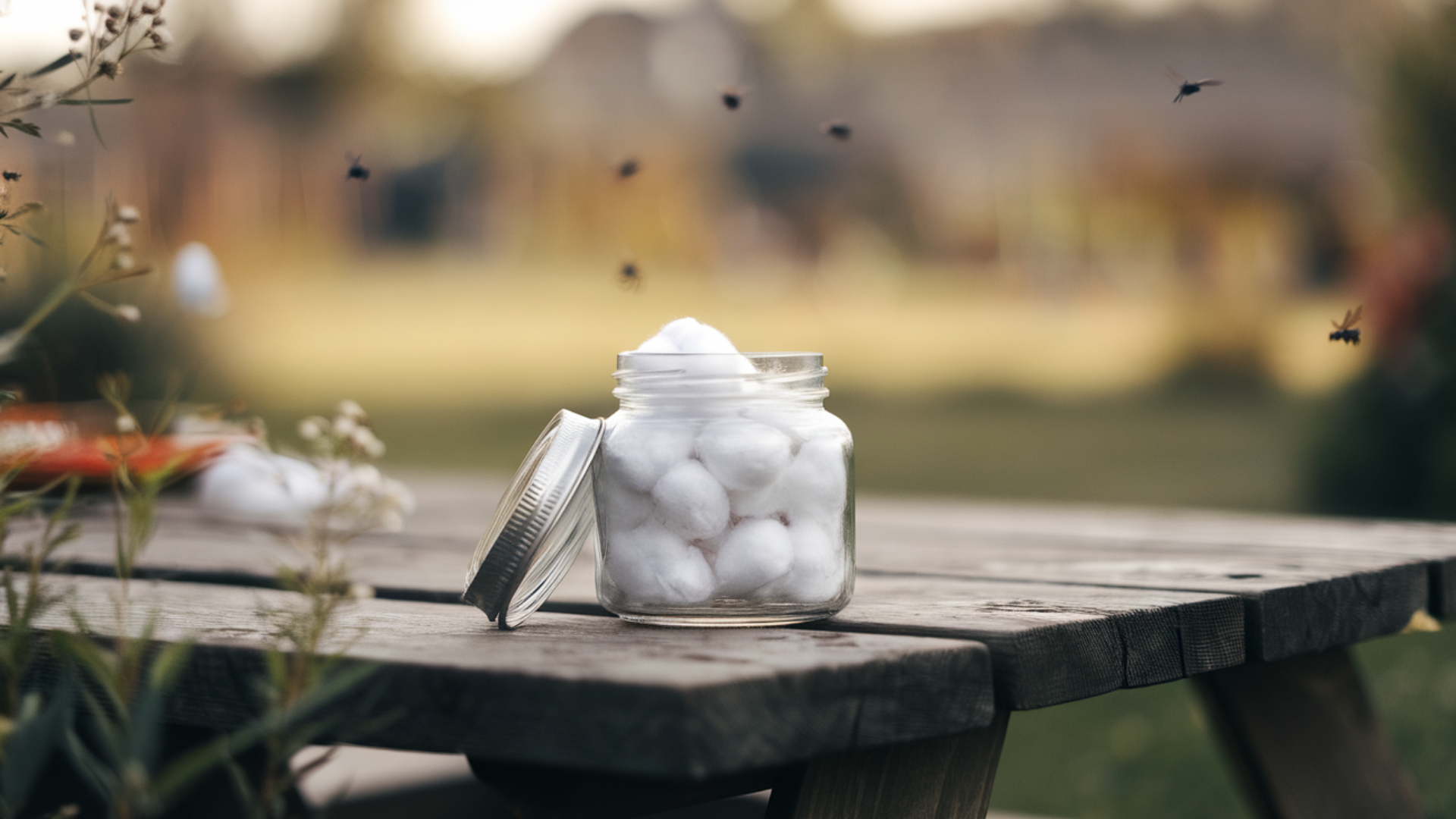
Best for: Picnic tables, porches
Ingredients:
- 1 small jar
- Cotton balls
- 10 drops citronella oil
Steps:
- Soak cotton balls with oil, and place them in a jar.
- Leave the area open.
Apply: Set on tables or outdoor corners.
Reapply: Refresh cotton every 3 days.
Shelf life: Up to 5 days open.
Safety: Keep away from children.
6. Rosemary and Mint Boil Spray (Indoor + Outdoor)
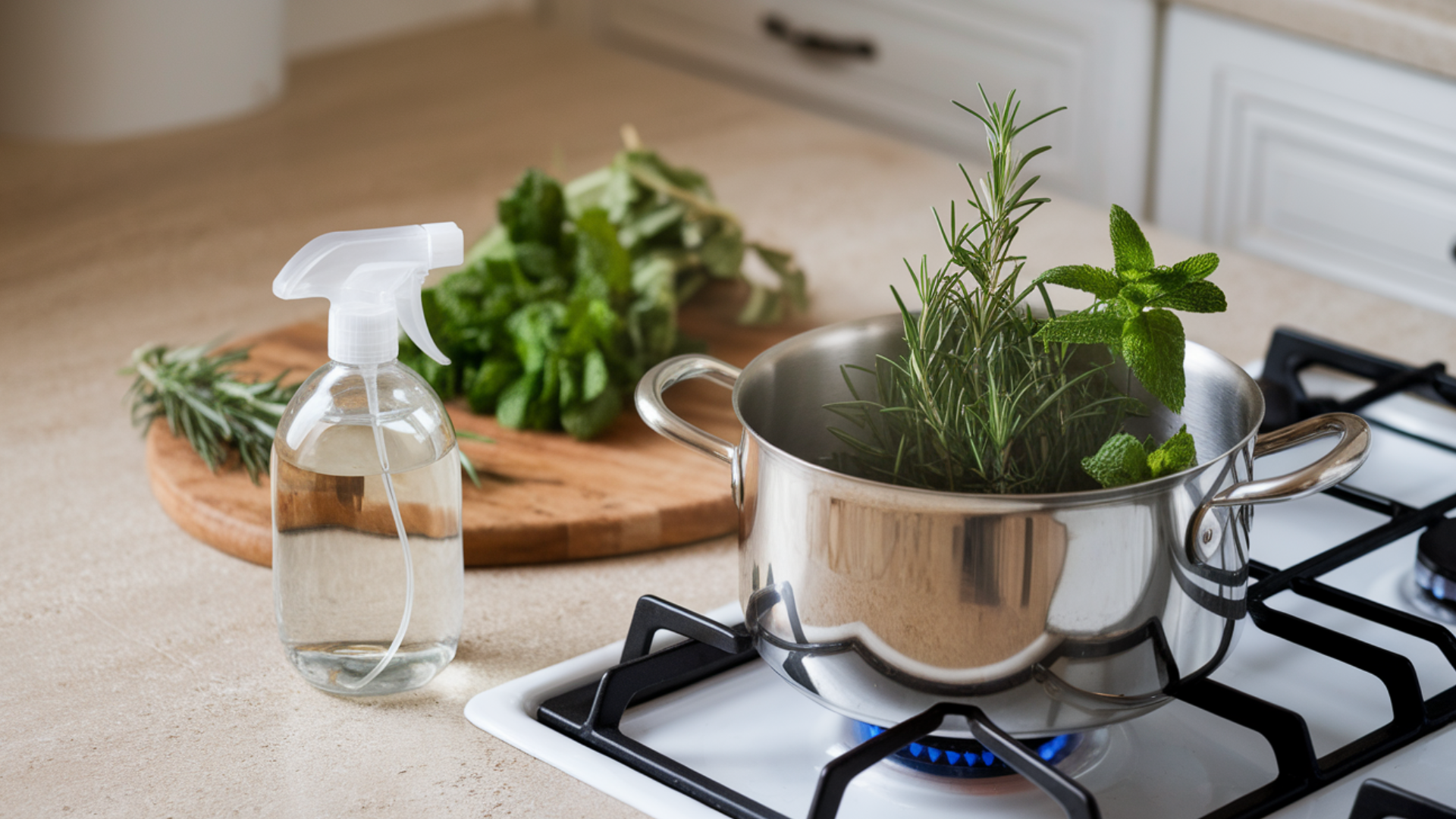
Best for: Flies and mosquitoes
Ingredients:
- 1 cup fresh rosemary
- 1 cup fresh mint
- 2 cups water
Steps:
- Boil herbs in water 10 minutes. Cool and strain.
- Pour into spray bottle.
Apply: Spray around doors, windows, and sitting areas.
Reapply: Every other day.
Shelf life: 3–5 days in fridge.
Safety: Discard if it smells sour.
7. Garlic Oil Garden Spray
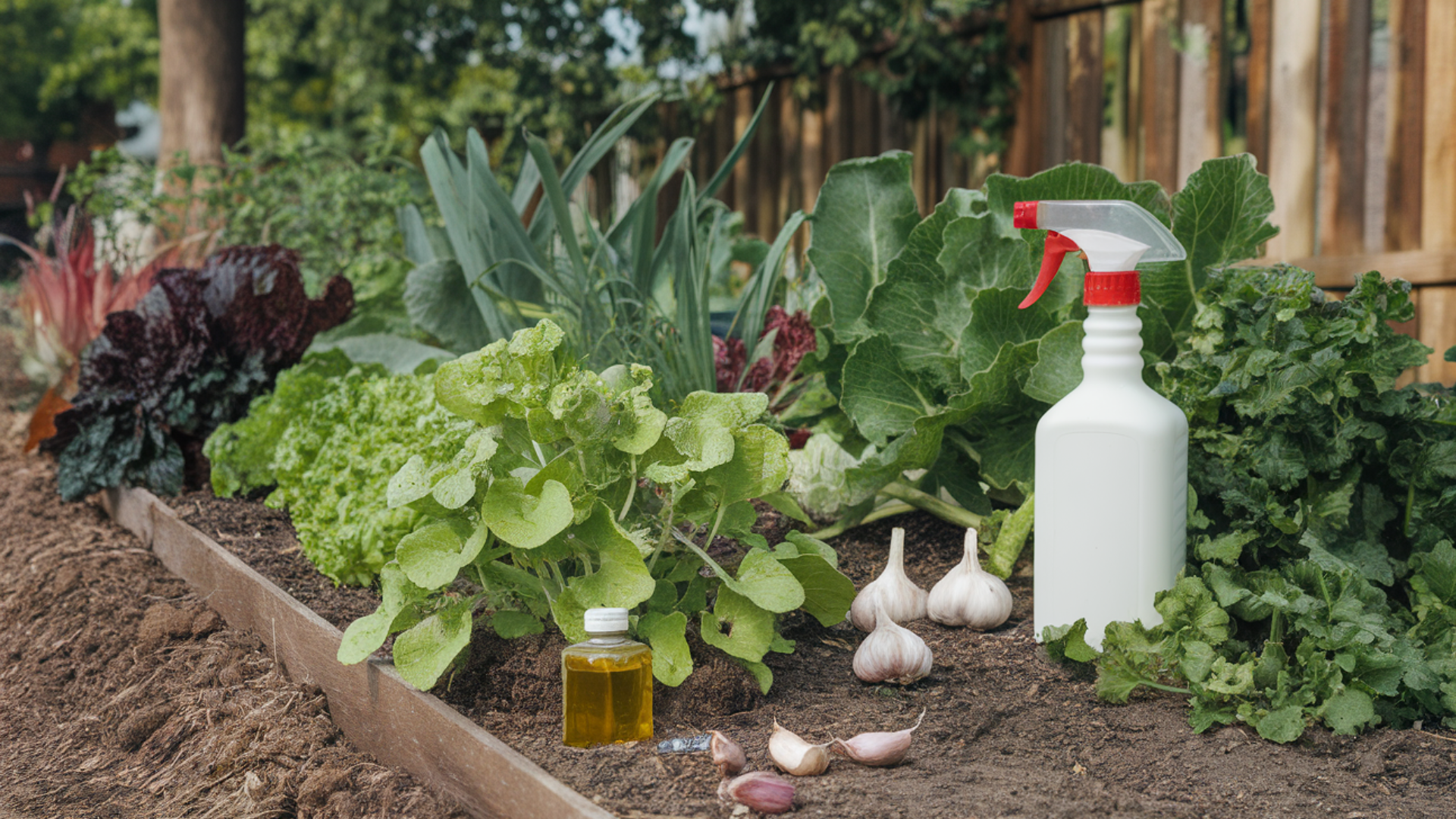
Best for: Aphids, beetles
Ingredients:
- 1 head of garlic
- 2 tablespoons mineral oil
- 1 teaspoon mild soap
- 2 cups water
Steps:
- Blend garlic with oil, let sit overnight.
- Strain and mix with water + soap.
Apply: Spray on leaves, under and over.
Reapply: Weekly or after rain.
Shelf life: 5–7 days in fridge.
Safety: Avoid spraying during heat.
8. Hot Pepper Spray for Chewing Bugs
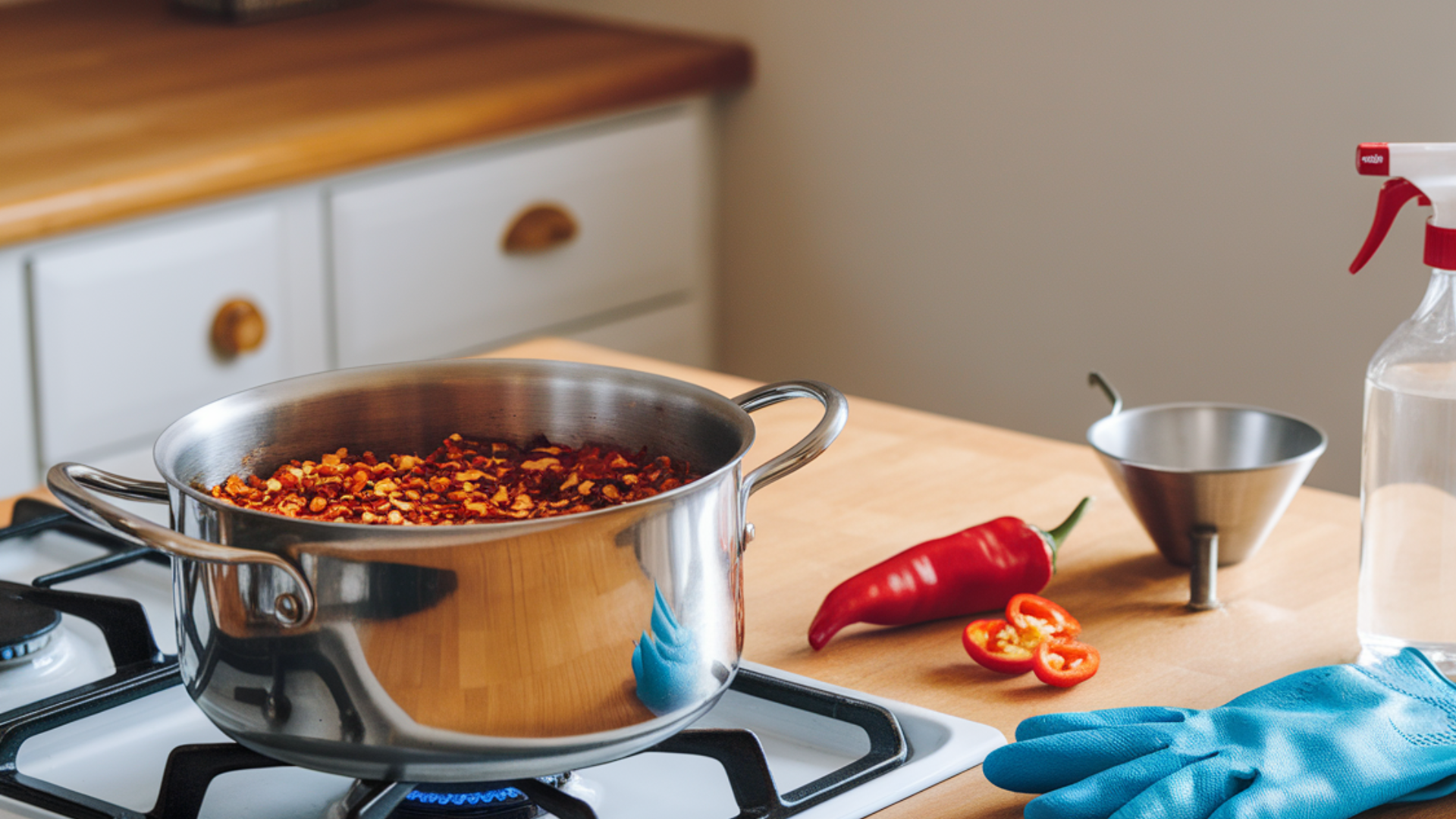
Best for: Caterpillars, beetles
Ingredients:
- 1 tablespoon cayenne or red chili flakes
- 1 quart of water
- 1 teaspoon of soap
Steps:
- Boil flakes in water, cool, and strain.
- Add soap and shake.
Apply: Spray garden plant leaves.
Reapply: Every 5 days.
Shelf life: 1 week.
Safety: Wear gloves and don’t spray on windy days.
9. Baking Soda Ant Barrier
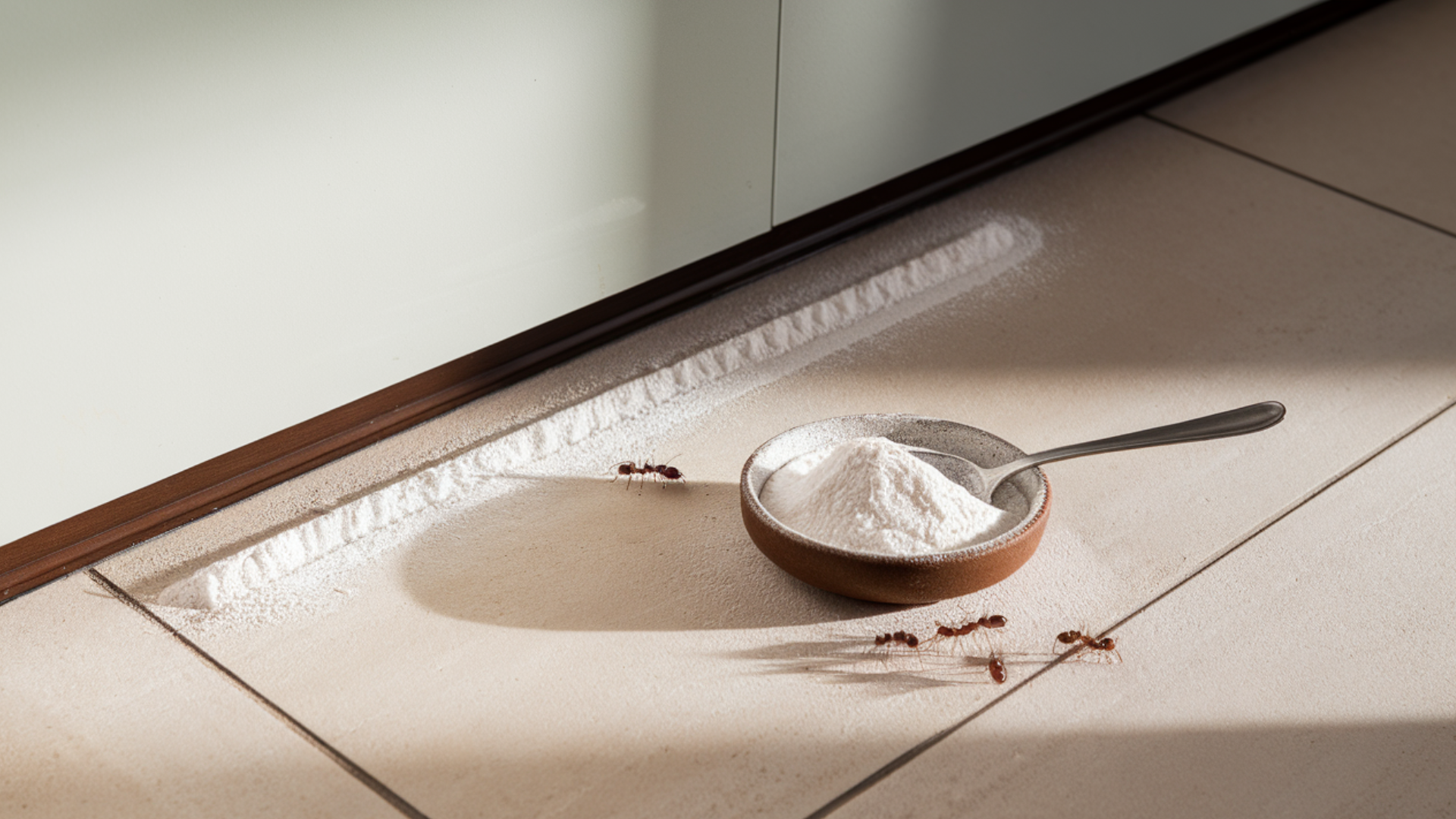
Best for: Indoor ant entry points
Ingredients:
- Baking soda
- Powdered sugar (equal part)
Steps:
- Mix equal parts in a bowl.
- Place small amounts near entry spots.
Apply: Use in cracks, under appliances.
Reapply: Weekly.
Shelf life: Up to 2 weeks.
Safety: Keep away from pets.
10. Neem Oil Garden Spray
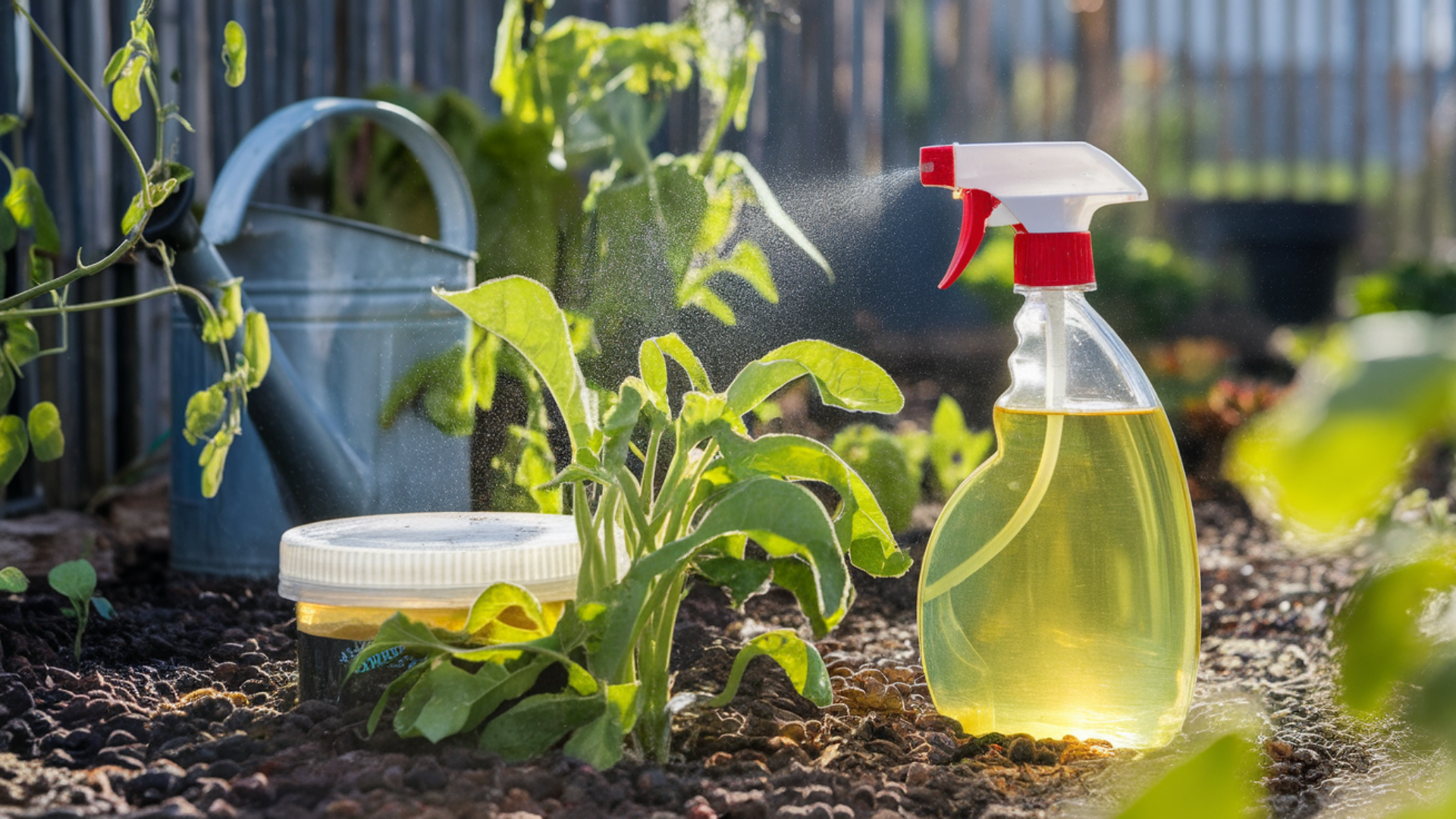
Best for: Mites, scale, fungus
Ingredients:
- 1 teaspoon neem oil
- 1/2 teaspoon soap
- 1 quart warm water
Steps:
- Mix soap and water first.
- Add neem oil. Shake.
Apply: Spray affected plants weekly.
Reapply: Every 7–10 days.
Shelf life: 3 days.
Safety: Avoid heat and sun after applying.
11. Apple Cider Vinegar Gnat Trap
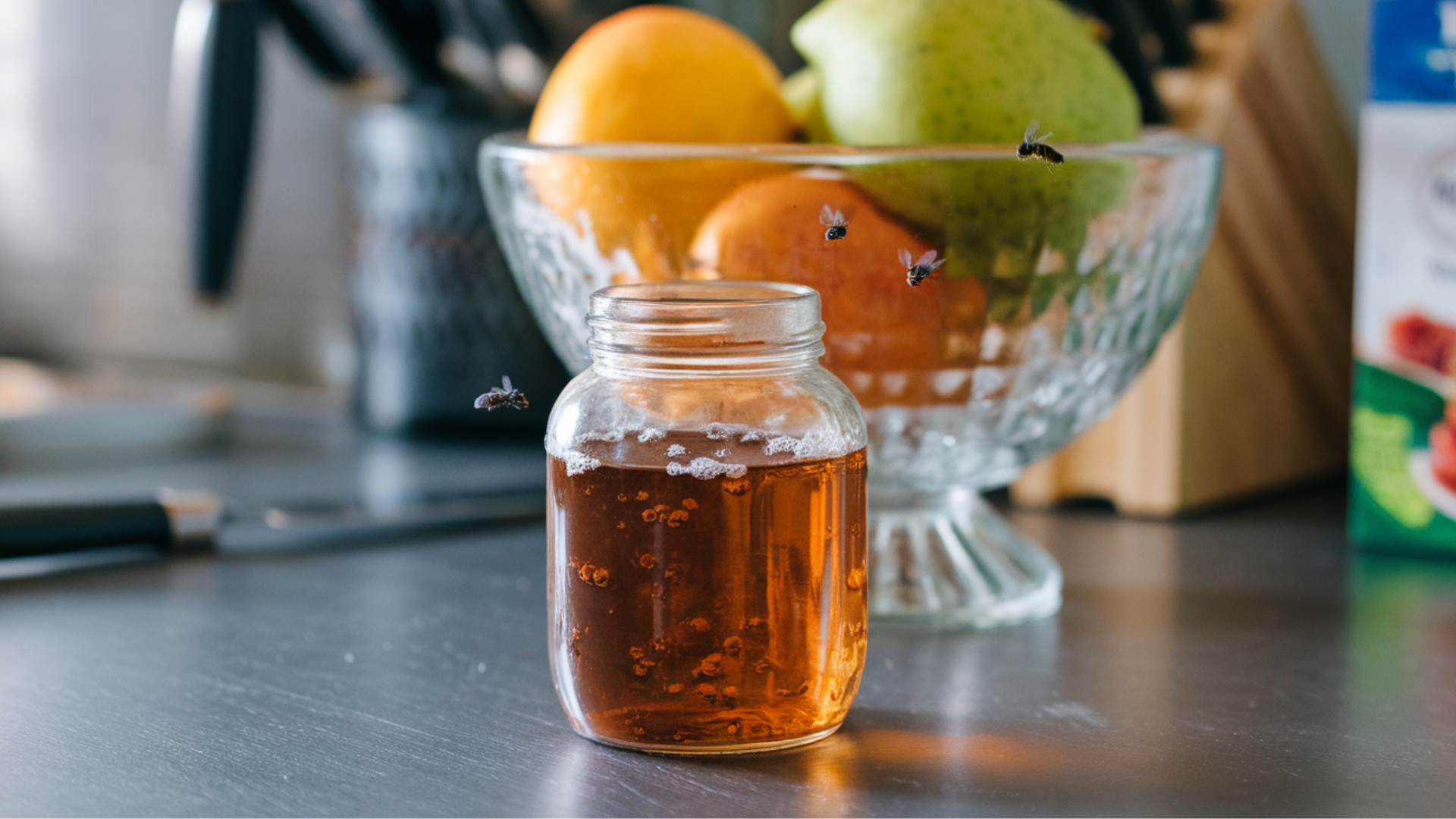
Best for: Gnats and fruit flies
Ingredients:
- 1/4 cup apple cider vinegar
- A few drops of dish soap
- Small jar
Steps:
- Pour vinegar into the jar, and add soap.
- Leave uncovered near the problem area.
Apply: Place near fruits or sinks.
Reapply: Change every 2–3 days.
Shelf life: 3 days.
Safety: Keep out of reach of pets.
12. Castile Soap Plant Spray
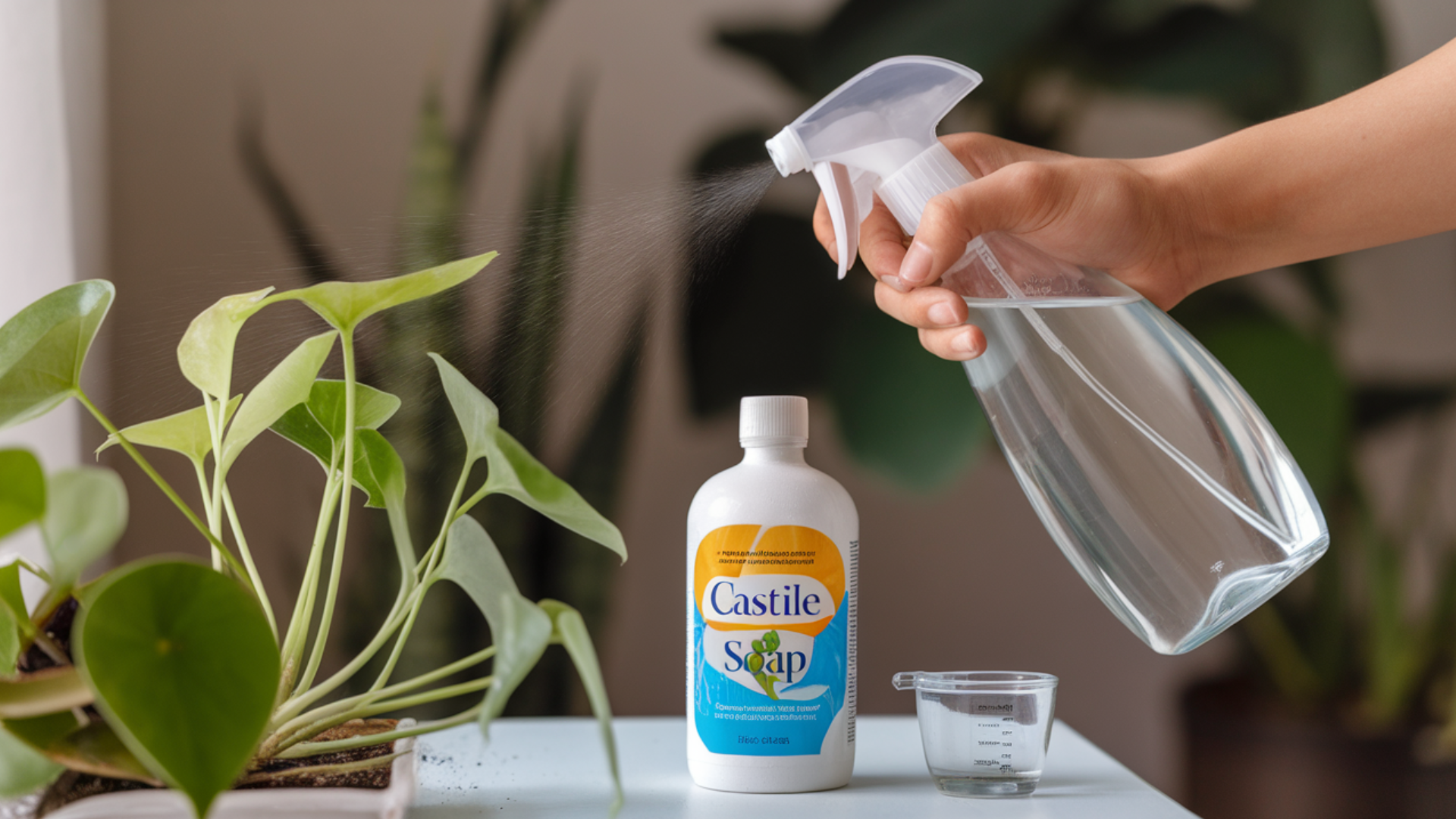
Best for: Soft-bodied garden insects
Ingredients:
- 1 tablespoon Castile soap
- 1 quart of water
Steps: Mix and shake in a spray bottle.
Apply: Spray directly on pests.
Reapply: Every 2–3 days.
Shelf life: 1 week.
Safety: Test a small leaf first to avoid damage.
13. Diatomaceous Earth Barrier
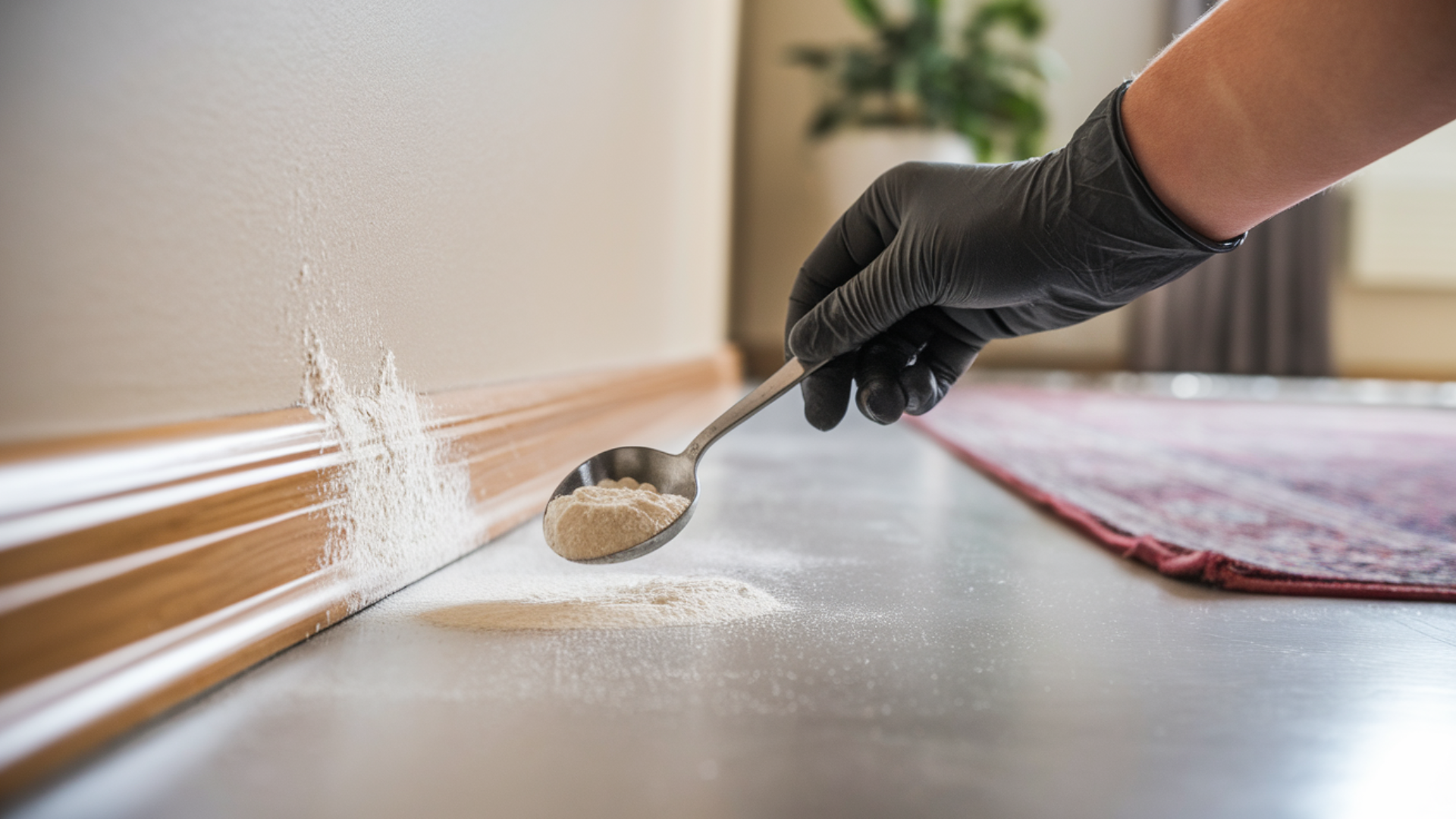
Best for: Crawling bugs like roaches, ants
Ingredients: Food-grade diatomaceous earth
Steps: Lightly dust dry areas like baseboards and under sinks.
Apply: Use in cracks, under furniture.
Reapply: After cleaning or if it gets wet.
Shelf life: Long as it stays dry.
Safety: Avoid breathing dust; wear a mask.
Safety Guide for Pets, Kids, Skin, and Edible Plants
Even natural pest repellents need care. Some essential oils, like peppermint or eucalyptus, can bother pets—especially cats and dogs. Always spray in places they can’t lick or touch.
For kids, avoid surfaces they often touch or where they eat and play. When using sprays on skin, test a small spot first. Some oils or soaps may cause rashes or irritation.
For gardens, never spray edible plants right before harvest. Rinse all fruits and veggies well before eating. Avoid spraying during the heat of the day to prevent leaf burn.
Label all mixes clearly, store them out of reach, and use gloves when handling strong ingredients like garlic, chili, or neem oil. Simple steps keep everyone safe.
Why Your Natural Repellent Isn’t Working
If your natural repellent isn’t doing much, it might not be the mix; it could be the method. First, make sure you’re using the right type: repellents don’t kill bugs, they just keep them away.
If bugs are already nesting, you’ll need something stronger or a mix that controls, not just repels. Also, natural sprays fade fast. They need to be reapplied, sometimes daily.
Check if you’re using enough or spraying the right spots. Bugs can sneak in through missed cracks or dirty areas, so cleanup matters.
Finally, some bugs just don’t care about certain scents. What works on ants won’t always work on gnats. Match your repellent to the pest, reapply often, and pair with good prevention.
Prevention Habits That Make DIY Repellents Last Longer
Even the best spray won’t work well if your home or garden is easy for bugs to invade. A few small habits can make a big difference and help your natural repellents do their job better.
- Wipe up crumbs and spills right away, especially in the kitchen and dining areas.
- Take out the trash daily to avoid attracting flies, ants, or roaches.
- Seal cracks and gaps around windows, doors, and pipes with caulk or weather stripping.
- Fix leaks quickly, since bugs love damp places.
- Store food in sealed containers to cut off easy access.
- Trim plants and remove standing water in the yard to reduce mosquito spots.
These simple habits don’t take much time, but they make your DIY repellent work smarter, not harder.
Conclusion
I used to think bugs were just part of the deal, until I tried making my own natural pest repellent. It felt good knowing exactly what I was spraying around my home and garden.
No harsh stuff. Just simple, safe ingredients that actually made a difference. I stuck with it, and over time, the pests stopped coming back.
Now it’s your turn. Try one of the recipes, stick to the habits, and see how much calmer your space feels. These aren’t quick fixes; they’re smart routines.
Keep your sprays fresh, reapply often, and don’t forget: prevention matters just as much.
Want more ideas that actually work and are easy to follow? Check out the other blogs—they’re made just for you!